











-

SS KORSHOLM III PASSENGER STEAMSHIP
SAVY DIRECT PRICE $599.96MSRP: $649.99SS KORSHOLM III PASSENGER STEAMSHIP FULLY BUILT AND READY TO DISPLAY MUSEUM QUALITY SHIP MODEL Dimension approx.: 24″ (long) x 5″ (wide) x 12.5″ (high) The model is already built. THIS IS NOT A... -

MS QUEEN VICTORIA PASSENGER SHIP
SAVY DIRECT PRICE $999.96MSRP: $1,099.99MS QUEEN VICTORIA OCEAN LINER FULLY BUILT AND READY TO DISPLAY, QUALITY SHIP MODEL Open die cut side hull windows, NOT painted like those built by most other companies. Dimension Approx.: 33″ L x 4... -

SS VATERLAND OCEAN LINER
SAVY DIRECT PRICE $1,149.96MSRP: $1,249.99SS Vaterland Ocean Liner Hamburg-America Line’s Dimension approx.: 38″ L x 4.5″ W x 12″ H Approx Scale 1/300 This museum quality model is already built, ready to display Handcrafted scratch using...
Description

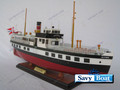
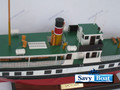
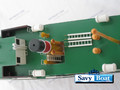
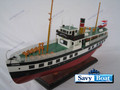
VICTORIA NORWEGIAN PASSENGER/CARGO STEAMSHIP
FULLY BUILT AND READY TO DISPLAY MUSEUM QUALITY SHIP MODEL
- Dimension approx.: 37.5″L x 5″W x 11.5″H
- The model is already built. THIS IS NOT A MODEL SHIP KIT
The steamship Victoria belonged to a generation of vessels that transformed maritime travel at the turn of the 20th century. Built in the late 1800s, she emerged during a period when shipyards across Europe were abandoning traditional wooden hulls in favor of steel construction, triple‑expansion engines, and twin screws—technologies that dramatically improved speed, reliability, and safety. Norwegian shipbuilders embraced these innovations quickly, producing vessels like Victoria that could withstand the harsh conditions of the North Atlantic while offering comfortable passage for travelers and emigrants.
Ships of her type were designed for versatility. With multiple masts for auxiliary sail power and efficient steam machinery, Victoria could maintain steady speeds of 15 to 19 knots, making her competitive with the great liners of the Hamburg‑America Line, such as Augusta Victoria and Prinzessin Victoria Luise. Though smaller and more utilitarian than the grand transatlantic giants, she carried the same spirit of progress—steel hull, watertight bulkheads, and accommodations divided into first, second, and third class, reflecting the social structure of maritime travel in her era.
In service, Victoria operated along Norway’s rugged coastline, connecting ports such as Bergen, Trondheim, and Hammerfest, while also making transatlantic voyages to the United Kingdom and North America. She carried passengers, mail, and cargo—everything from fish and timber to emigrants bound for new lives overseas. For many Norwegians, ships like Victoria were lifelines, linking remote communities to the wider world and supporting the massive wave of emigration that shaped Norwegian‑American history.
Her technical features reflected the best of late‑19th‑century engineering:
-
Steel hull for strength and longevity
-
Triple‑expansion steam engines for fuel efficiency
-
Twin screws for maneuverability
-
Multiple passenger decks with salons, dining rooms, and modest steerage accommodations
-
Crew complements often exceeding 100 men
Though detailed records of Victoria’s individual voyages are scarce, her career followed the familiar arc of steamships of her era. She likely carried emigrants westward, tourists southward, and cargo year‑round. Ships like her sometimes served in wartime roles, were sold to foreign companies, or were eventually scrapped as newer, faster liners entered service in the early 20th century. The fate of Victoria appears to mirror this pattern—service, decline, and replacement as maritime technology continued to evolve.
Today, the steamship Victoria stands as a representative of the golden age of steam, a period when steel‑hulled vessels bridged the gap between the age of sail and the rise of modern ocean liners. Norwegian steamships played a vital role in commerce, communication, and cultural exchange, and their legacy lives on in archival photographs, passenger lists, and the stories of the countless people who crossed oceans aboard them.
Victoria may not be as famous as the great transatlantic liners, but she was part of the fleet that carried Norway into the modern world—steady, reliable, and emblematic of a transformative era in maritime history.


