







-

SS ROTTERDAM OCEAN LINER
SAVY DIRECT PRICE $799.96MSRP: $849.99SS ROTTERDAM OCEAN LINER HOLLAND AMERICA LINES FULLY BUILT AND READY TO DISPLAY MUSEUM QUALITY SHIP MODEL Dimension approx.: 37″ L x 6″ W x 13.5″ H The model is already built. THIS IS NOT A MODEL... -
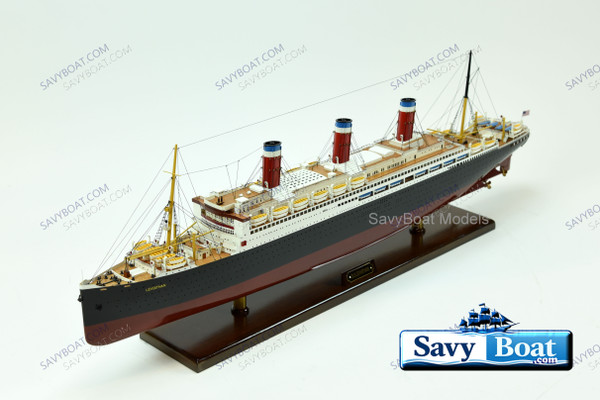
SS LEVIATHAN OCEAN LINER
SAVY DIRECT PRICE $999.96MSRP: $1,049.99SS LEVIATHAN OCEAN LINER FULLY BUILT AND READY TO DISPLAY BOAT MODEL Dimension approx.: 38″ L x 4.5″ W x 12″ H Approx Scale 1/300 The model is already built. THIS IS NOT A MODEL -
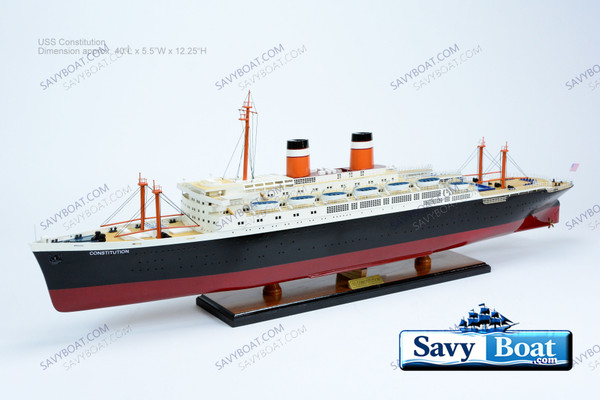
SS CONSTITUTION OCEAN LINER
SAVY DIRECT PRICE $799.96MSRP: $849.99SS CONSTITUTION OCEAN LINER FULLY BUILT AND READY TO DISPLAY BOAT MODEL Dimension approx.: 40"L x 6.5"W x 13.5"H The model is already built. THIS IS NOT A MODEL SHIP KIT The SS Constitution, la
Description

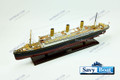
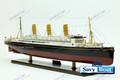
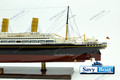
SS Vaterland Ocean Liner Hamburg-America Line’s
- Dimension approx.: 38″ L x 4.5″ W x 12″ H
- Approx Scale 1/300
- This museum quality model is already built, ready to display
- Handcrafted scratch using finest woods & metal fittings
SS Vaterland, launched in 1913 for the Hamburg America Line, was briefly the largest passenger ship in the world, built with advanced engineering, nine decks above the waterline, powerful wireless systems, and a unique interior layout that created an unbroken vista from the Ritz‑Carlton–style dining room to the ballroom. Designed to carry more than 4,000 passengers, she made only a few voyages before World War I forced her into lay‑up at Hoboken, New Jersey. When the United States entered the war in 1917, the ship was seized, repaired, and converted into the massive troopship USS Leviathan, capable of carrying 7,000 to 14,000 soldiers per voyage. Her speed allowed her to cross the Atlantic without escort, and she completed ten wartime round trips, transporting over 119,000 troops, though she also endured severe overcrowding and a deadly Spanish flu outbreak in 1918.
After the war, Leviathan sat idle until a major 1922–23 reconstruction at Newport News transformed her into a modern, oil‑burning luxury liner with redesigned interiors blending Edwardian elegance and 1920s style. Returned to service under United States Lines, she became a symbol of American maritime pride and was heavily advertised as the world’s largest and fastest ship—claims contested by British rivals. She was popular with travelers and set passenger records in the 1920s, yet remained chronically unprofitable due to high operating costs, technical challenges, and Prohibition, which made her a “dry” ship while foreign competitors served alcohol freely. The Great Depression further reduced demand, and by 1933 she was laid up again after heavy financial losses. Briefly reactivated but still unsustainable, she was retired, sold in 1937, and sailed to Rosyth, Scotland, in early 1938 for scrapping—a process delayed by her size and World War II until 1946. Despite never turning a profit, Leviathan remained one of the most iconic and ambitious ocean liners of her era.


