






-

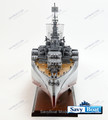
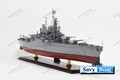
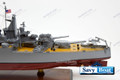
USS TENNESSEE CAMO BATTLESHIP (BB-43)
SAVY DIRECT PRICE $899.96MSRP: $949.99USS TENNESSEE CAMO BATTLESHIP (BB-43) FULLY BUILT AND READY TO DISPLAY MUSEUM QUALITY SHIP MODEL Dimension approx.: 38″ L x 7.5″ W x 14″ H The model is already built. THIS IS NOT A MODEL SHIP... -
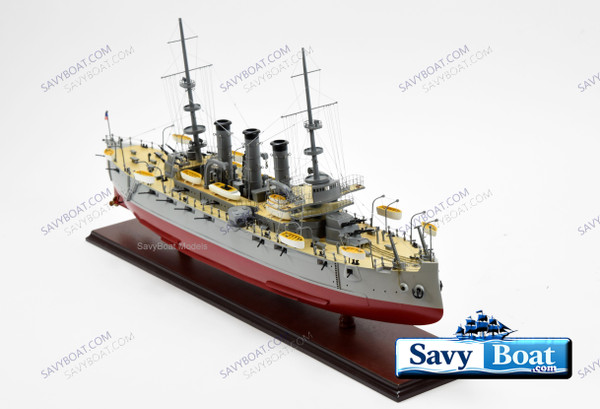
USS NEBRASKA BATTLESHIP (BB-14)
SAVY DIRECT PRICE $899.96MSRP: $999.99USS Nebraska (BB-14) — Virginia-Class Battleship FULLY BUILT AND READY TO DISPLAY MUSEUM QUALITY SHIP MODEL Dimension approx.: 32″ L x 6″ W x 15″ H. The model is already built. THIS IS NOT A MODEL... -
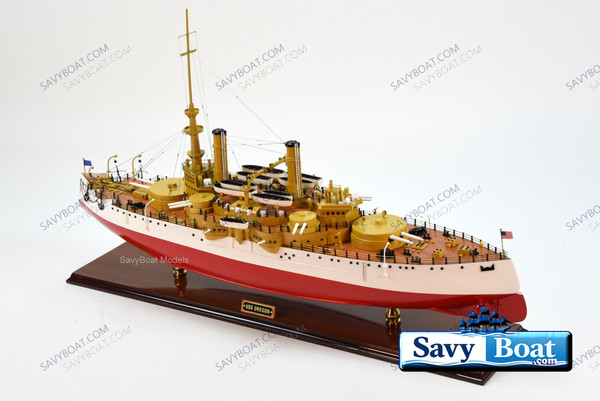
USS OREGON BATTLESHIP BB-3
SAVY DIRECT PRICE $924.96MSRP: $999.99USS OREGON BATTLE SHIP BB-3 (YELLOW) FULLY BUILT AND READY TO DISPLAY, QUALITY SHIP MODEL Dimension approx.: 34″ L x 8.5″ W x 20″ H
Description

USS TENNESSEE GRAY BATTLESHIP (BB-43)
FULLY BUILT AND READY TO DISPLAY MUSEUM QUALITY SHIP MODEL
- Dimension approx.: 38″ L x 7.5″ W x 14″ H
- The model is already built. THIS IS NOT A MODEL SHIP KIT
USS Tennessee — A Dreadnought Reforged for the Pacific War
When the USS Tennessee was laid down at the New York Naval Shipyard in 1917, she represented a new chapter in American battleship design. Lessons from the Battle of Jutland had reshaped naval thinking, and Tennessee became the first U.S. battleship built to this “post‑Jutland” philosophy—stronger underwater protection, improved torpedo defenses, and advanced fire‑control systems. Launched in April 1919 and commissioned in June 1920, she emerged as the lead ship of the Tennessee class, a powerful dreadnought intended to anchor the Pacific Fleet.
During the interwar years, Tennessee sailed widely across the Pacific, participating in fleet problems, training cruises, and goodwill missions. Her 1925 voyage to Australia and New Zealand showcased American naval reach, and her towering superstructure and triple turrets made her one of the most recognizable ships of the era. For two decades she served as a steady, dependable presence in the Pacific—until the morning that changed everything.
On 7 December 1941, Tennessee was moored in Battleship Row at Pearl Harbor when Japanese aircraft descended. Two bombs struck her, damaging her main turrets, and burning oil from the exploding USS Arizona washed against her hull, scorching her decks. Trapped between other battleships, she could not maneuver, but her crew fought the fires and kept her afloat. After temporary repairs, she sailed to Puget Sound Navy Yard, where she underwent one of the most dramatic rebuilds of any U.S. battleship.
Between 1942 and 1943, Tennessee was transformed. Her silhouette changed completely—new superstructure, modern radar, improved armor, and a formidable anti‑aircraft battery. When she returned to the Pacific, she was no longer a 1920s dreadnought but a fully modernized warship ready for the brutal island‑hopping campaign.
Her combat record became one of the most extensive of any U.S. battleship:
-
Aleutians (1943) — bombardment of Kiska
-
Gilberts & Marshalls (1943–44) — Tarawa, Kwajalein, Eniwetok
-
Marianas (1944) — Saipan, Guam, Tinian
-
Peleliu (1944) — heavy shore bombardment
-
Battle of Surigao Strait (Oct 1944) — helped sink Yamashiro in history’s final battleship‑vs‑battleship engagement
-
Iwo Jima (1945) — fired more than 1,400 shells
-
Okinawa (1945) — continued bombardment despite being struck by a suicide plane
By war’s end, Tennessee had become one of the most battle‑tested ships in the fleet. She supported occupation duties in China and Japan before returning home. In February 1947, she was decommissioned and placed in reserve, and in 1959 she was sold for scrapping—closing a career that spanned the rise, transformation, and final battles of the U.S. battleship era.
Today, USS Tennessee is remembered as a ship that bridged generations of naval warfare. Built as a post‑Jutland dreadnought, nearly lost at Pearl Harbor, reborn through modernization, and then thrust into the most intense amphibious operations of World War II, she stands as a testament to resilience, innovation, and the relentless demands of the Pacific War.


