












-

KRAGEROTERNA CLINKER BUILT 31" SAIL BOAT
SAVY DIRECT PRICE $579.96MSRP: $599.99KRAGEROTERNA CLINKER BUILT SAIL BOAT FULLY BUILT AND READY TO DISPLAY QUALITY SHIP MODEL Dimension Approx.: 31.5″L x 9.5″W x 31″H The model is already built -
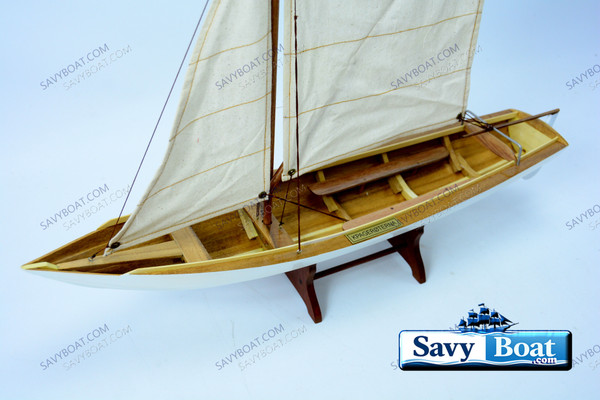
KRAGEROTERNA CLINKER BUILT 24" SAIL BOAT
SAVY DIRECT PRICE $379.96MSRP: $399.99KRAGEROTERNA CLINKER BUILT SAIL BOAT FULLY BUILT AND READY TO DISPLAY QUALITY SHIP MODEL Dimension Approx.: 24″L x 7″W x 22.5″H The model is already built, -
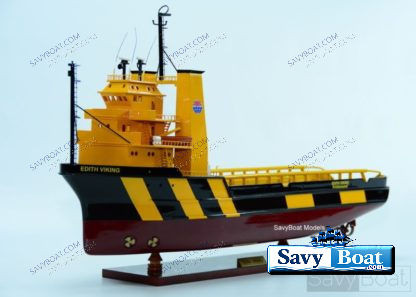
EDITH VIKING COMMERCIAL SUPPLY SHIP
SAVY DIRECT PRICE $549.96MSRP: $599.99EDITH VIKING COMMERCIAL SUPPLY SHIP FULLY BUILT AND READY TO DISPLAY MUSEUM QUALITY SHIP MODEL Dimension approx.: 28″ (long) x 7″ (wide) x 16″ (high) The model is already built. THIS IS NOT A...
Description

VIKING CLINKER-BUILT ANCIENT SHIP
FULLY BUILT AND READY TO DISPLAY MUSEUM QUALITY SHIP MODEL
- Dimension approx.: 16″ (long) x 9.5″ (wide) x 9.5″ (high)
- The model is already built. THIS IS NOT A MODEL SHIP KIT
The Flexible, Fast Vessels That Carried a People Across the Edge of the World
Long before the Viking Age began, shipbuilders in Northern Europe discovered a method of construction that would shape the destiny of entire cultures. By the 3rd–4th centuries AD, craftsmen in Denmark, Frisia, and Anglo‑Saxon England were building boats with overlapping planks, a technique known as clinker or lapstrake construction. These early vessels—light, strong, and astonishingly flexible—were perfectly suited to the harsh Nordic environment, where sailors needed ships capable of crossing open seas yet navigating shallow rivers and fjords.
By the time the Viking Age dawned around 793 CE, clinker construction had reached its peak. Viking shipwrights built their vessels shell‑first, laying long, radially split oak planks so that each strake overlapped the next. Iron rivets and roves fastened the planks together, creating a hull that was both resilient and elastic. Caulking made from tarred animal hair or moss sealed the seams, keeping the ships watertight even in icy northern waters.
The result was revolutionary. Viking ships were light enough to be hauled over land, strong enough to survive Atlantic storms, and shallow‑drafted enough to sail in barely a meter of water. They could land on beaches, slip up rivers, and outrun heavier Mediterranean vessels. Their hulls flexed with the waves rather than resisting them, giving Vikings a speed and seaworthiness unmatched in their time.
These ships—longships for raiding, knarrs for trade, and smaller coastal craft—became the engines of Norse expansion. With clinker‑built vessels, Vikings reached Iceland, Greenland, the Faroe Islands, the British Isles, France, Russia, the Mediterranean, and even North America centuries before Columbus. Their ships carried warriors, merchants, settlers, and explorers across distances no other European culture attempted in the early Middle Ages.
Clinker construction eventually declined as Europe shifted toward carvel‑built ships, whose flush planking and heavy frames allowed for larger hulls, cheaper timber, and the mounting of cannon. But the clinker tradition never disappeared. It survived in Nordic fishing boats, coastal craft, and the cultural memory of Scandinavia.
Today, Viking clinker‑built ships are preserved in museums, reconstructed by artisans, and celebrated as one of the greatest achievements of early naval engineering. Their design—simple, elegant, and astonishingly effective—helped shape the history of exploration, trade, and warfare. They remain icons of the Viking Age: vessels that carried a people across oceans, into legend, and into the far corners of the known world.


