














-
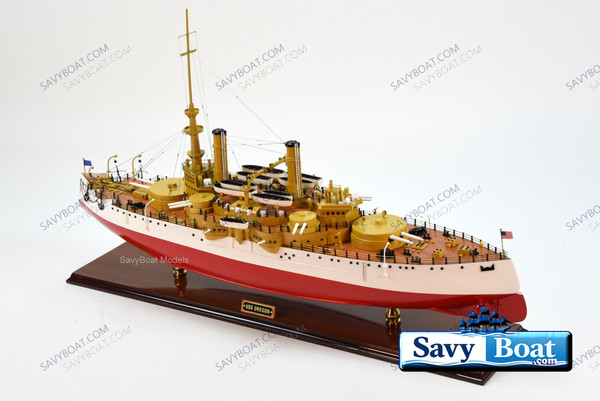
USS OREGON BATTLESHIP BB-3
SAVY DIRECT PRICE $924.96MSRP: $999.99USS OREGON BATTLE SHIP BB-3 (YELLOW) FULLY BUILT AND READY TO DISPLAY, QUALITY SHIP MODEL Dimension approx.: 34″ L x 8.5″ W x 20″ H -
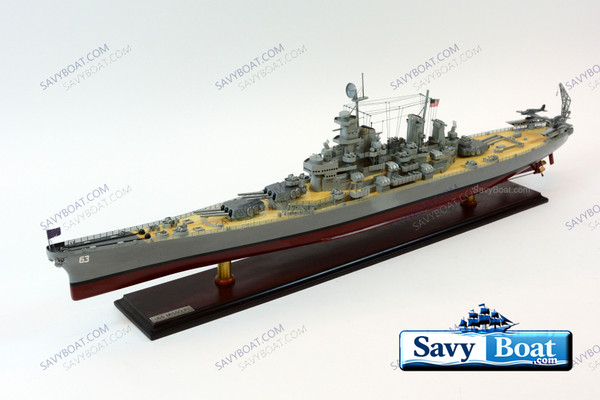
USS MISSOURI BATTLESHIP (BB-63)
SAVY DIRECT PRICE $899.96MSRP: $999.99USS MISSOURI BATTLESHIP (BB-63) FULLY BUILT AND READY TO DISPLAY, QUALITY SHIP MODEL Dimension approx.: 40″ L x 5″ W x 12.5″ H Approx. scale 1/350 This beautiful model is already built, NOT a kit. -

USS OREGON BATTLESHIP 39 BB-3
SAVY DIRECT PRICE $1,149.96MSRP: $1,299.99USS OREGON BATTLE SHIP BB-3 (WHITE) FULLY BUILT AND READY TO DISPLAY, QUALITY SHIP MODEL Dimension approx.: 39″ L x 9″ W x 22″ H The model is alr
Description

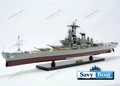
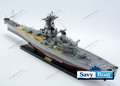
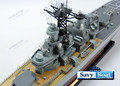
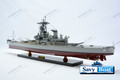
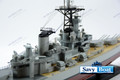
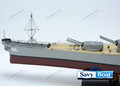
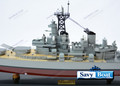
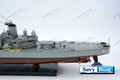
USS WISCONSIN BATTLESHIP (BB-64)
FULLY BUILT AND READY TO DISPLAY MUSEUM QUALITY SHIP MODEL
- Dimension approx.: 40″ L x 5″ W x 12.5″ H
- Approx. scale 1/350
- This beautiful model is already built, NOT a kit.
She was born in the final years when battleships still ruled the world’s oceans. Ordered in June 1940, as war engulfed Europe and the Pacific edged toward conflict, the USS Wisconsin (BB‑64) took shape at the Philadelphia Naval Shipyard—an Iowa‑class battleship built for speed, endurance, and overwhelming firepower. When she slid down the ways on 7 December 1943, exactly two years after Pearl Harbor, she entered a Navy transformed by war and ready for her strength.
Commissioned on 16 April 1944, Wisconsin joined the fleet as the last of her class to enter service. Sleek and fast, with a narrow hull and powerful engines, she could outrun older battleships and keep pace with aircraft carriers. Her nine 16‑inch/50 caliber guns—the largest ever mounted on a U.S. warship—could hurl 2,700‑pound shells more than twenty miles. She carried the armor of a fortress, the speed of a cruiser, and the presence of a capital ship built to command the sea.
After shakedown in the Caribbean, she passed through the Panama Canal and into the Pacific war. There she joined the fast carrier task forces striking Japan, screening carriers during raids, bombarding shore positions, and enduring the relentless pace of late‑war operations. She earned six battle stars and the Navy Unit Commendation, proving herself a dependable and formidable asset in the final push toward victory.
When the guns fell silent, Wisconsin entered a cycle familiar to many great warships of her era—decommissioned in 1948, reactivated for the Korean War in 1951, and once again providing heavy gunfire support for embattled troops ashore. Her shells thundered across the Korean Peninsula, and she earned the Philippine Presidential Unit Citation for her service. After the armistice, she continued Cold War deployments in the Mediterranean before retiring again in 1958.
But the age of the battleship was not quite over.
In the 1980s, as part of the Navy’s modernization program, Wisconsin was reborn. She received Tomahawk cruise missiles, Harpoon anti‑ship missiles, and Phalanx CIWS, transforming her from a World War II gunnery platform into a hybrid battleship‑missile cruiser. When she was recommissioned for the Gulf War in 1991, she became one of the last battleships in history to fire weapons in combat—launching Tomahawks against Iraqi targets and providing naval gunfire support for coalition forces.
Her final decommissioning came on 30 September 1991, closing the book on nearly half a century of service. Stricken from the Naval Vessel Register in 2006, she found her permanent home at Nauticus, The National Maritime Center, in Norfolk, Virginia. Today, visitors walk her teak decks, stand beneath her massive turrets, and feel the presence of a ship that served in three major conflicts and spanned the transition from big‑gun warfare to the missile age.
Nicknamed “Big Wisky”, carrying the motto “Forward for Freedom,” and armored more heavily than her sister ships, the USS Wisconsin remains a towering symbol of American naval power—one of the last great battleships, preserved so future generations can witness the scale, strength, and legacy of the giants that once ruled the sea.


