













-

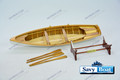
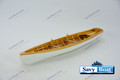
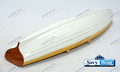
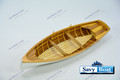
BOSTON WHITEHALL TENDER
SAVY DIRECT PRICE $279.96MSRP: $329.99BOSTON WHITEHALL TENDER FULLY BUILT AND READY TO DISPLAY MUSEUM QUALITY SHIP MODEL Dimension approx.: 24″ (long) x 5.5″ (wide) x 5″ (high) The model is already built. THIS IS NOT A MODEL SHIP... -

ELEONORA WESTWARD SAILBOAT (painted)
SAVY DIRECT PRICE $499.96MSRP: $549.99ELEONORA WESTWARD SAILBOAT (PAINTED) FULLY BUILT AND READY TO DISPLAY MUSEUM QUALITY SHIP MODEL Dimension approx.: 24″ (long) x 5″ (wide) x 28″ (high) The model is already built. THIS IS NOT A... -

RAINBOW SAILING YACHT 24" (PAINTED)
SAVY DIRECT PRICE $399.96MSRP: $439.99RAINBOW SAILING YACHT (PAINTED) FULLY BUILT AND READY TO DISPLAY, HIGH QUALITY SHIP MODEL Dimension Approx.: 24L x 5.25W x 28.8H The model is already built, NOT a model ship kit
Description

BOSTON WHITEHALL TENDER (painted)
FULLY BUILT AND READY TO DISPLAY MUSEUM QUALITY SHIP MODEL
- Dimension approx.: 24″ (long) x 5.5″ (wide) x 5″ (high)
- The model is already built. THIS IS NOT A MODEL SHIP KIT
The Boston Whitehall Tender — America’s Classic Harbor Boat
Long before steam ferries and motor launches crowded American harbors, the waterfronts of Boston and New York were alive with the rhythmic pull of oars. In the early 1800s, one boat became the unmistakable icon of that world: the Whitehall Tender. Sleek, fast, and agile, it was the craft of choice for the men who made their living racing out to incoming ships, ferrying passengers, carrying goods, and navigating the busy, competitive waters of America’s growing port cities.
Though its name traces to Whitehall Street in New York, where the design likely emerged around 1820, the boat quickly became a favorite of Boston boatbuilders. Shops along the harbor refined the lines, perfected the balance, and produced tenders that were admired for both their beauty and their performance. The Whitehall’s narrow beam, shallow draft, and long, graceful hull gave it a speed unmatched by other rowing craft of the era. In crowded harbors—where timing meant profit—these qualities made all the difference.
Whitehall runners were often the first to reach deepwater vessels arriving from Europe, the Caribbean, or coastal ports. They rowed hard, competing to be the earliest aboard so they could offer services, deliver messages, or guide passengers ashore. The boats needed to be quick, responsive, and seaworthy enough to handle chop, tides, and the unpredictable bustle of harbor traffic. The Whitehall Tender excelled at all of it.
Beyond commercial use, the design proved versatile. Fishermen adopted it for its stability and ease of handling. Families used it for recreation. Rowing clubs prized it for its elegance and speed. Its combination of practicality and beauty made it one of the most recognizable small craft in American maritime history.
By the mid‑20th century, as engines replaced oars and harbors modernized, the Whitehall Tender might have faded into obscurity. Instead, it experienced a renaissance. Boatbuilders, historians, and enthusiasts rediscovered its craftsmanship and timeless lines. Over the last fifty years, the Whitehall has become a beloved classic—built in wood and fiberglass, raced in regattas, displayed in museums, and cherished by collectors who appreciate the artistry of traditional boatbuilding.
Today, the Boston Whitehall Tender stands as more than a harbor boat. It is a symbol of early American maritime culture—of craftsmanship, competition, and the bustling life of 19th‑century waterfronts. Its enduring legacy reflects not only its practical brilliance but also the grace and beauty that have made it one of the most iconic small‑craft designs in the nation’s maritime heritage.


